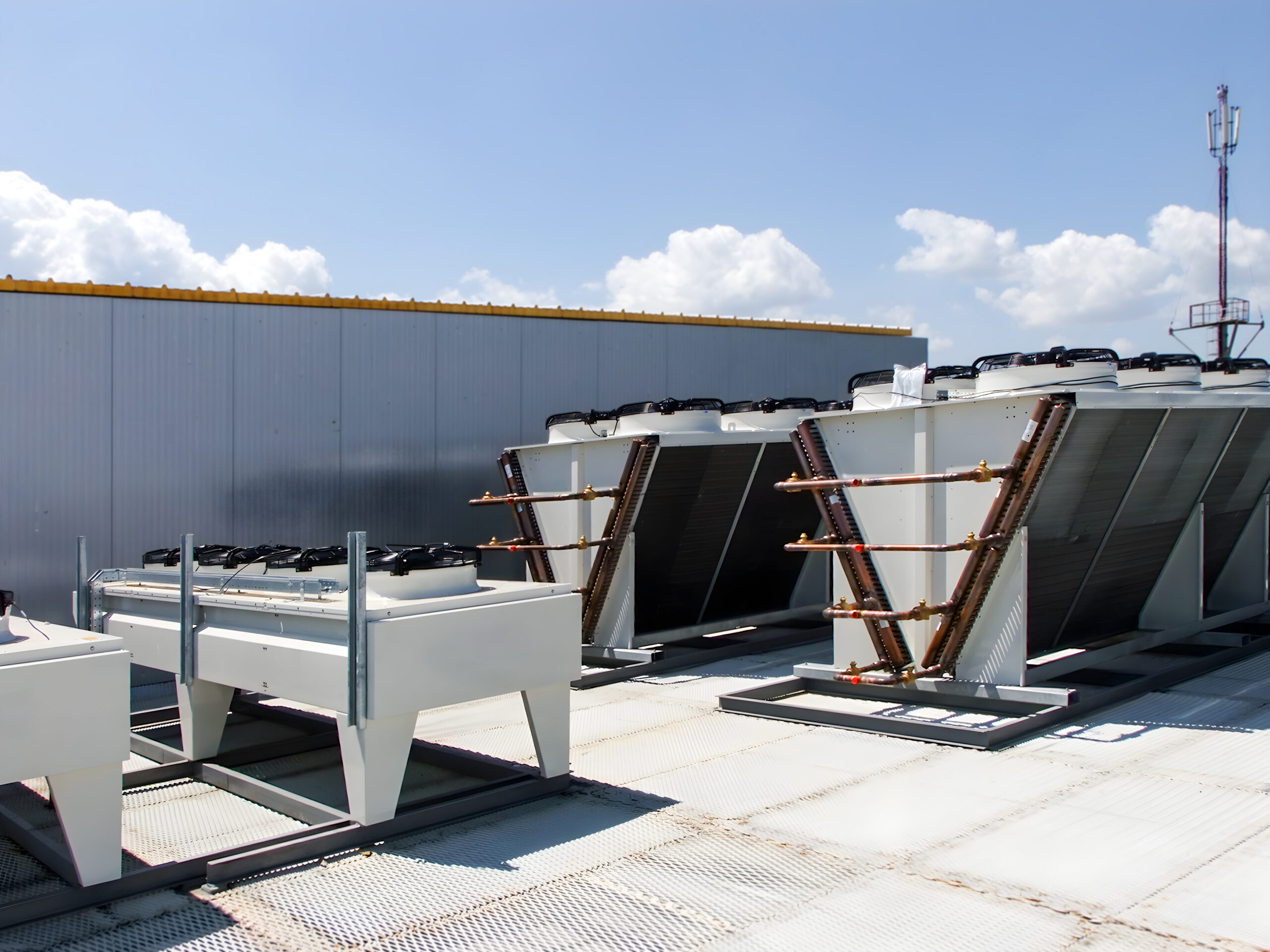
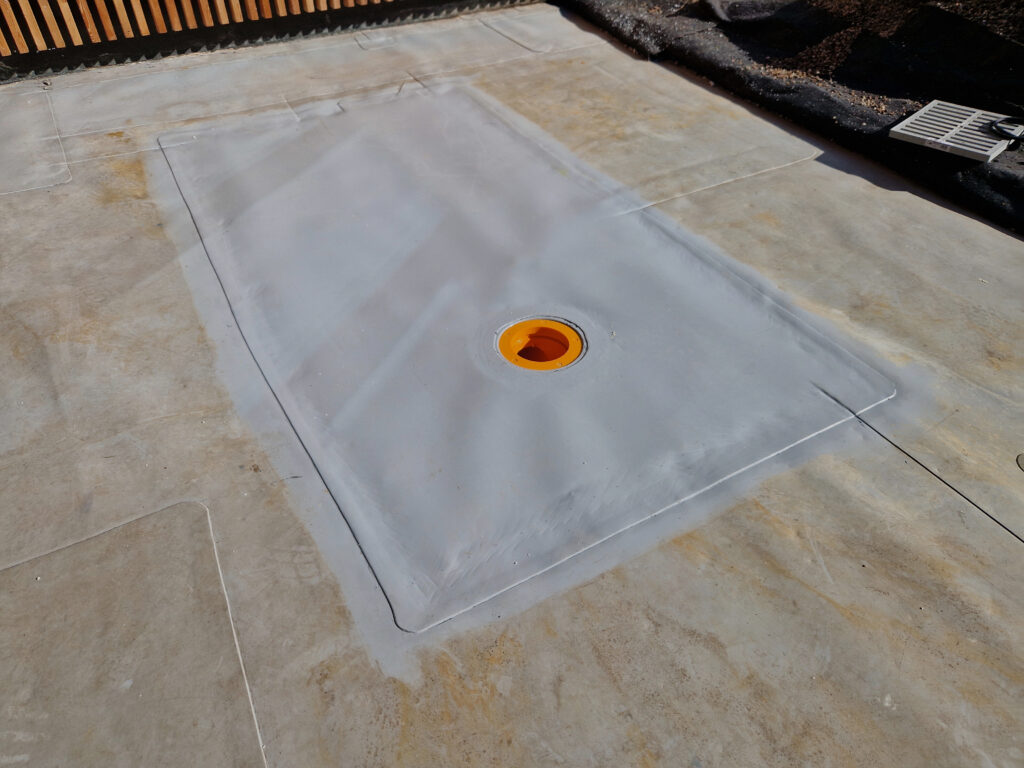
Installing HVAC equipment onto a flat rooftop is an invasive process. These equipment installations involve adding a metal roof curb over structural support beams, cutting into the roof deck, installing flashing and sealing into the roofing membrane, adding drain lines and gas piping, and using a crane to get the equipment onto the roof. Any aspect performed incorrectly can reduce your roof’s overall lifespan.
Whether you’ve just installed a new flat roofing system or you’re modifying an older system, having your roofing contractor present during these equipment installations is crucial to prevent significant damage.
Roofing Problems That Result From Poor HVAC Installation
Punctures That Can Lead to Leaks
Commercial HVAC installation requires contractors to penetrate the roof. Careless installation can result in surface tears and punctures, especially in single-ply roofing membranes. Dropped tools, poorly secured or transported equipment, or failure to place walking pads around service-heavy areas can cause additional damage and compromise roof protection. Punctures and surface tears can lead to leaks, which can result in costly water damage and increase the risk of business interruption and unplanned downtime.
Structural Overload
Although a typical commercial rooftop HVAC unit usually weighs between 1,000 and 3,000 pounds, its weight can climb to 10,000 pounds, depending on its total cooling capacity. Although property owners must select the right HVAC unit size and type for their facility, it’s equally important to ensure the existing roofing system can support the unit’s size and weight. Unsupported commercial roofs or improper weight distribution from HVAC units can lead to sagging, membrane stress, leaks, water ponding, and other problems.
A good roofing contractor can verify how much weight a roof can support and make any necessary adjustments to ensure it can support the HVAC unit.
Membrane Damage From Chemicals & Oil
Commercial HVAC units discharge oils, refrigerant, and water. Improperly routed or poorly maintained drain lines can even discharge water onto the roof surface, causing ponding and surface rot that can eventually lead to premature roof replacement.
Poor Location
Selecting a poor location for an HVAC unit can cause severe roofing damage, from punctures and leaks to sagging, blocked drainage, and loose seams and joints. HVAC units should be installed near primary roof structural supports and at the right elevation to promote proper drainage. Vibration stress from HVAC units is another common issue, as placement over weak areas can lead to cracked seams and flashing.
A professional roofing contractor can verify placement and ensure the roof won’t be harmed based on where the HVAC unit is being installed.
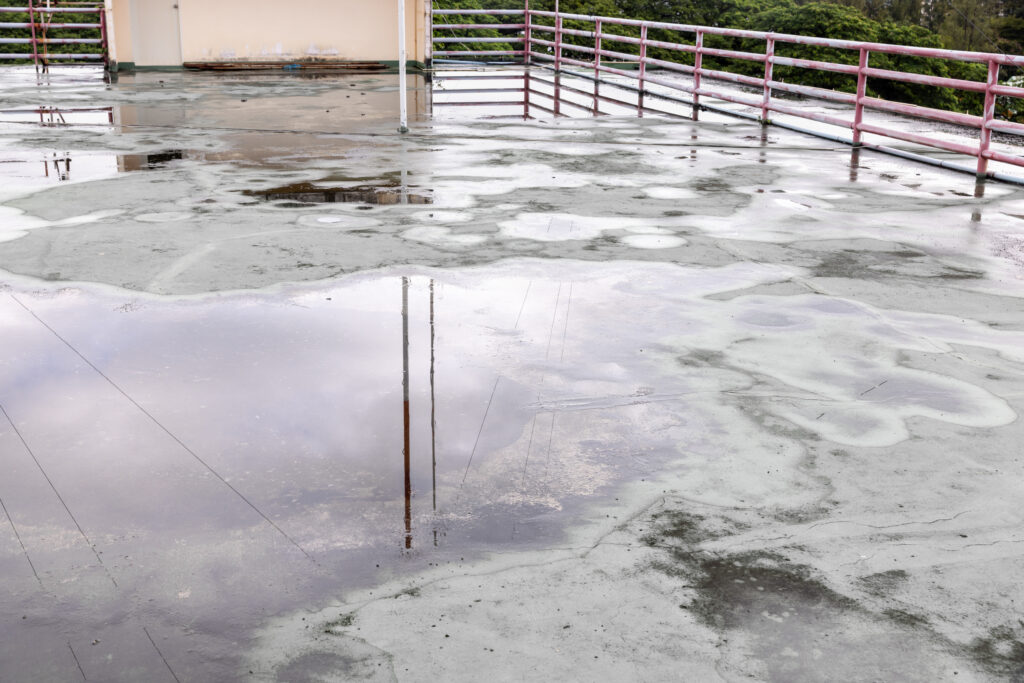
Ponding Water
If HVAC installation blocks roof drains, condensate has nowhere to go. As a result, it will pond on the roof, which can rot out the roof material and lead to mold and mildew growth and leaks. Roofs are built to shed water, not hold it for an extended period. Any ponding that persists for longer than 48 hours is likely to inflict serious damage to the roof over time.
Why Having a Professional Roofer On-Site Helps
A professional roofer can work with the HVAC installation company to:
- Ensure any cut holes and lines are sealed correctly to prevent leaks.
- Verify the installation location or add additional components to support the weight of HVAC units.
- Ensure HVAC installation doesn’t block roof drains.
- Help guide placement and protect the roofing surface with walk pads and other protective accessories.
- Address and resolve any roofing problems during installation immediately.
- Ensure the equipment installation project work doesn’t void roof warranties.
Installing an HVAC Unit? Contact Summit Commercial Roofing Today
If Summit Commercial Roofing installed your commercial roof and you’re considering a rooftop HVAC installation, contact us today for an on-site inspection. We’re happy to examine your roof, determine whether it can support additional equipment, and make any necessary adjustments.