Your Complete Guide to Low- & Flat-Slope Roofing Systems

Summit Commercial Roofing
Author
Learn more about eight different flat and low-slope roofing systems and how to choose the right one for your commercial property.

Learn more about eight different flat and low-slope roofing systems and how to choose the right one for your commercial property.
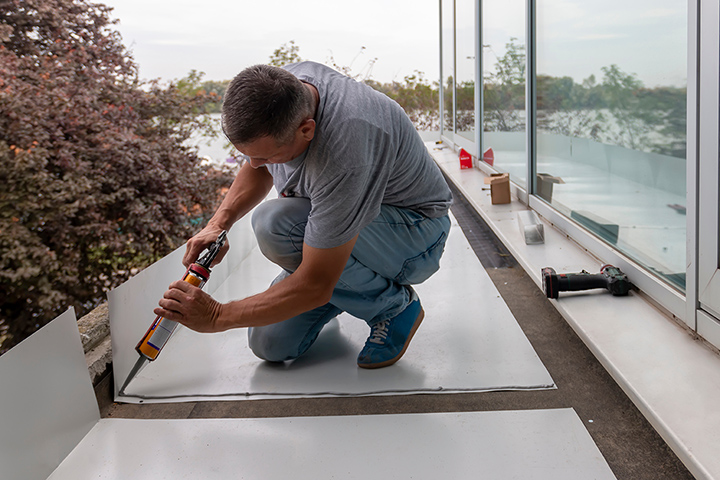
What goes into choosing a commercial roofing system? Of course, cost plays a part, but you also have to consider the weather conditions the roof is likely to encounter, the building’s style, what the building is used for, and whether the roof is flat or slanted.
In this article, we’ll cover some of the most common roofing systems used on low—and flat-slope buildings and the factors to consider when choosing one for your property.
Flat roofs are standard designs for commercial buildings because they’re simple and cost-effective. Flat roofs are actually not perfectly horizontal but have a slight slope (usually less than 10 degrees) to allow water to drain. These roofing systems are typically ideal for large industrial or commercial spaces, like warehouses, shopping centers, and office buildings, where cost and internal space maximization are important.
Low-slope roofs have a slight incline, usually between 10 and 30 degrees. They provide better water management than flat roofs and reduce the risk of leaks, so it’s an ideal choice for any building that needs efficient drainage.
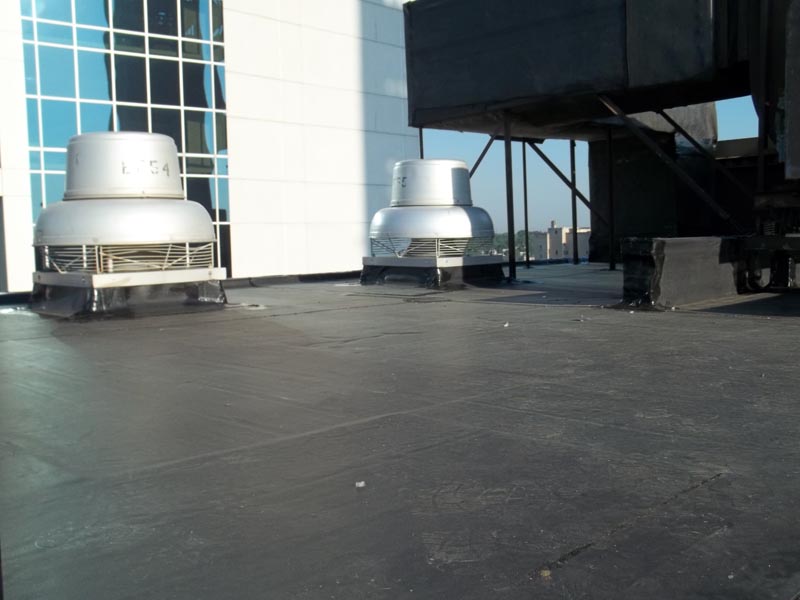
EPDM, or Ethylene Propylene Diene Monomer, has been a popular roofing system for a while. This material’s main selling points are its price and heat absorption capabilities, which make it extremely reliable and cost-effective during hot summers.
The good news is that you can avoid most of these disadvantages if you hire a team that can properly install your EPDM roof.
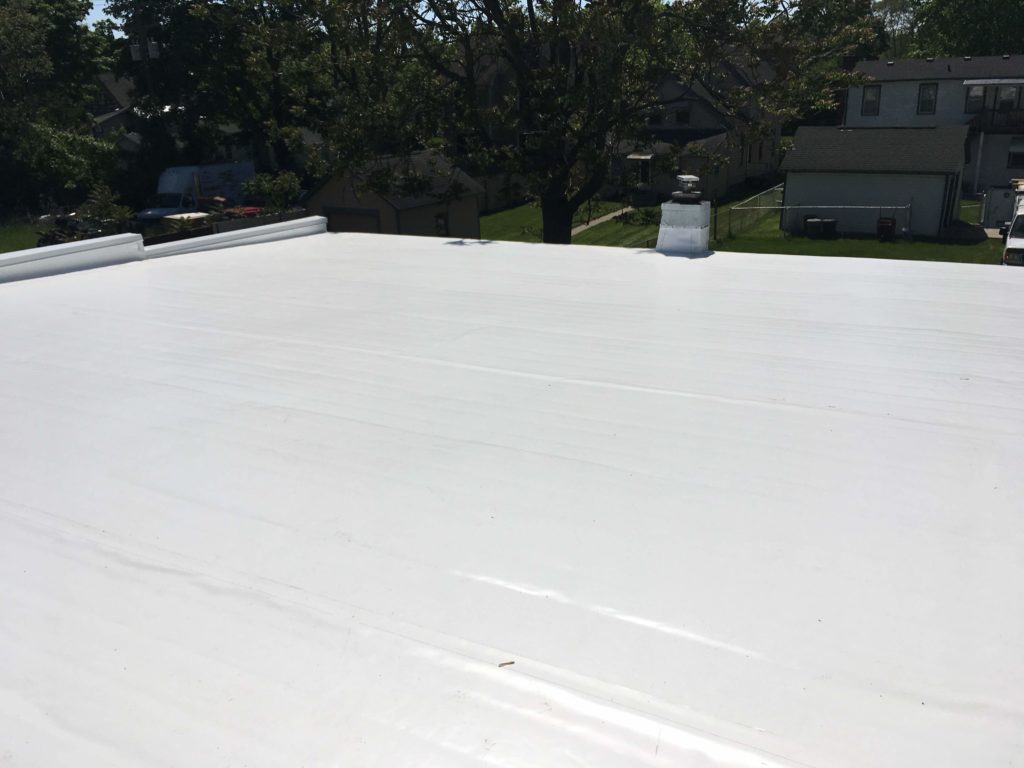
PVC is a single-ply material that maintains a watertight finish and features resilient seams. These seams are often stronger than those with EPDM roofs due to the heat-welded process used to create the permanent bond between the sheets. Because of these advantages, PVC is often the most popular choice for flat roofs. Most roofers can even guarantee a breaking point of at least 300 pounds for each inch, which exceeds the industry standard of 200 pounds per inch.
In many cases, PVC roofs have lighter coloring, making them more energy efficient. The light color allows the roof to reflect heat instead of absorbing it, keeping the interior at a more manageable temperature.
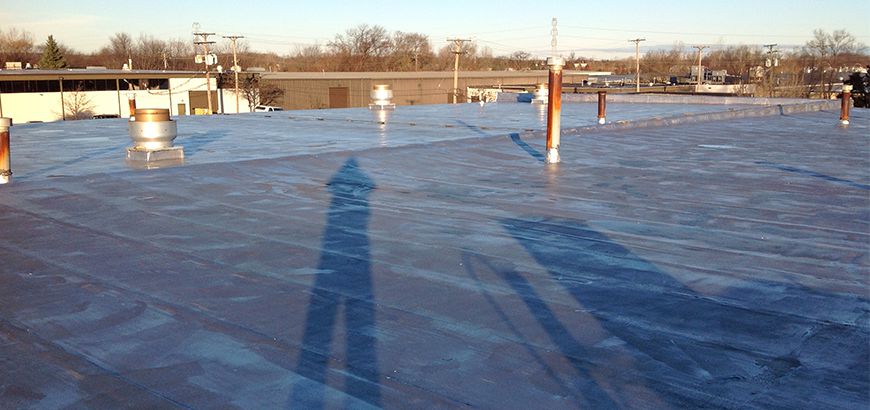
Modified bitumen, also known as APP (Atactic Polypropylene), is made from asphalt, polymers, and fillers and has been a popular alternative in commercial roofing for over 30 years. Unlike EPDM and PVC, modified bitumen roofing is multi-ply, which makes them far more resilient when coming into contact with sharp objects.
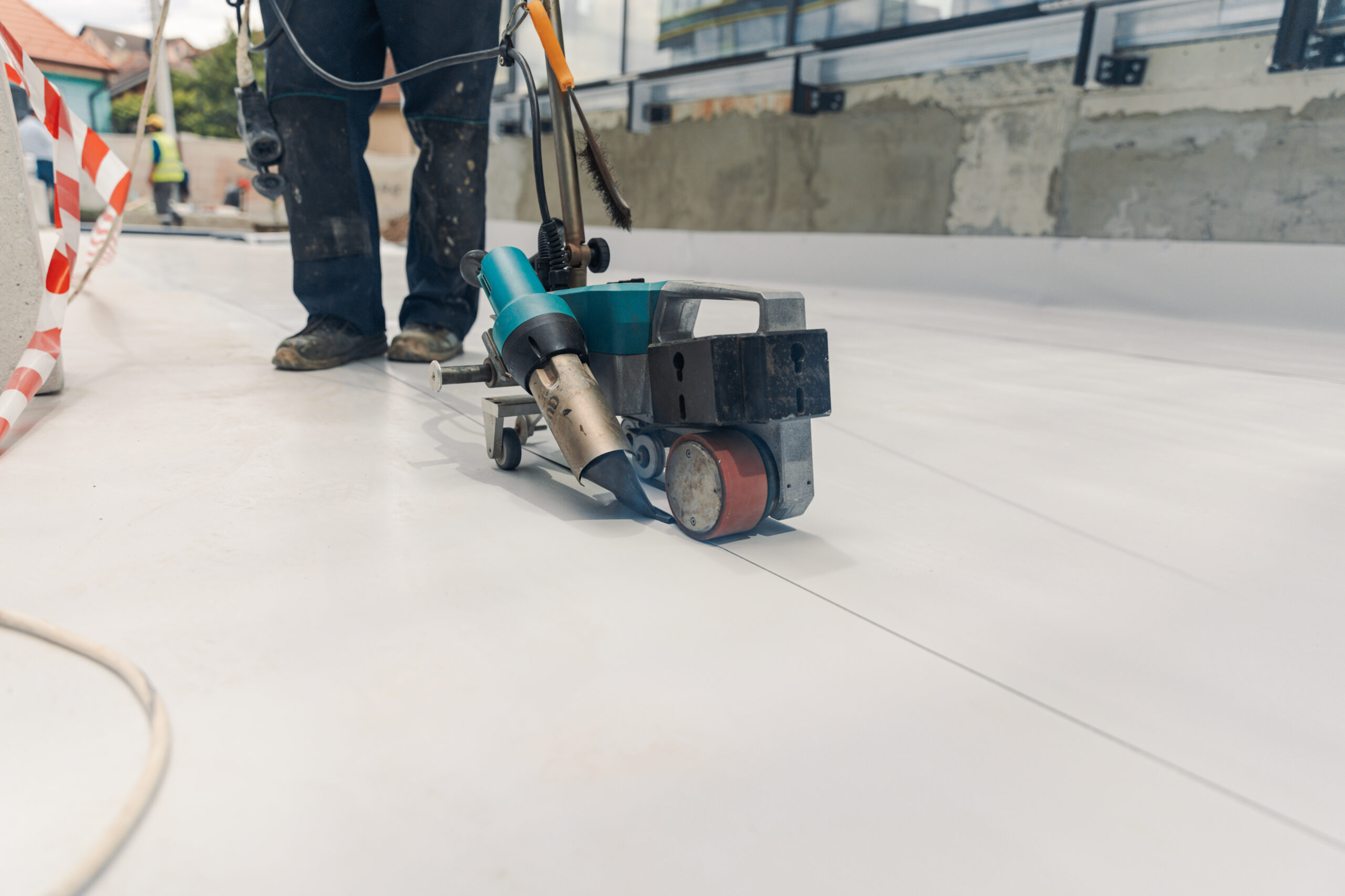
TPO (Thermoplastic Polyolefin) roofing systems manufactured in the United States have gained popularity because of their relatively low cost. However, this type of system isn’t as tried-and-trued as EPDM and PVC, leading to some questions and concerns on its overall performance, longevity, and reliability.
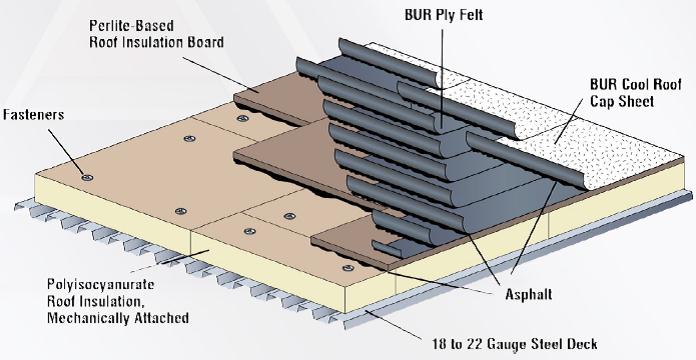
BUR (built-up roofing) consists of layers of bitumen or asphalt and fabric with gravel or aggregate stone making up the final layer.
You’ll find three kinds of built-up roofing systems on the market:
A built-up ballasted asphalt roof system uses larger stones as its top layer because they aren’t attached to the roof membrane. This tactic, plus strategically placed fasteners and plates, prevents any movement. The system can be installed regardless of the weather, and the finished roof is highly fire-resistant.
Like the ballasted asphalt system, a cold built-up roof can be installed in any weather using a squeegee. During installation, no toxic fumes are emitted.
Hot build-up is the most difficult built-up roofing system to install because it requires liquefied bitumen that releases hazardous fumes and vapors.
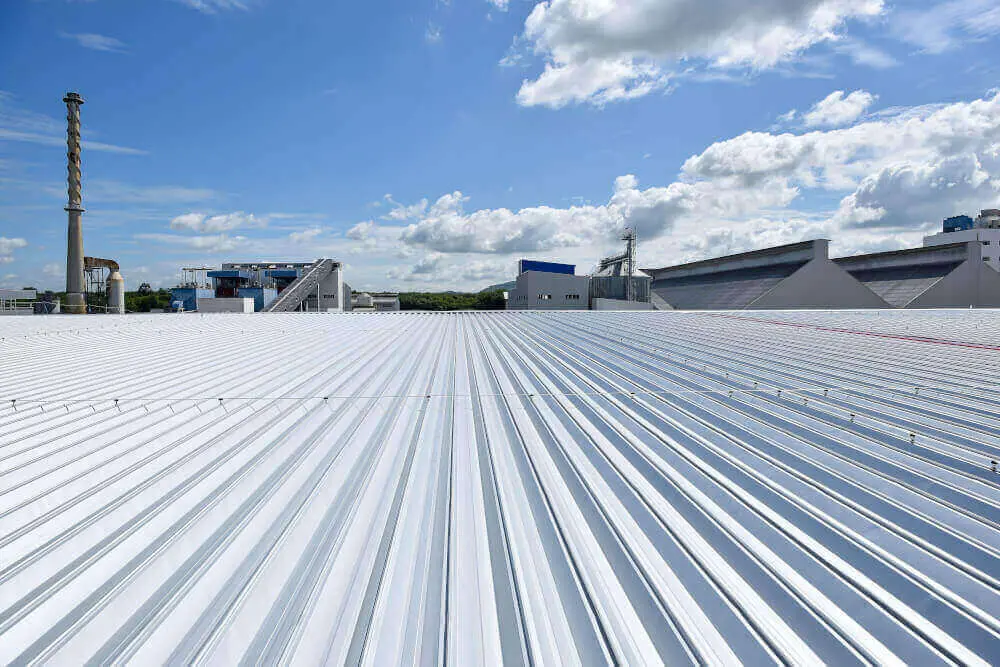
Metal roofing is a durable and versatile option that all types of buildings could benefit from. These roofing systems can be made from different types of metals, including steel, aluminum, copper, and zinc. They’re primarily known for their longevity, resistance to severe weather, and eco-friendliness.
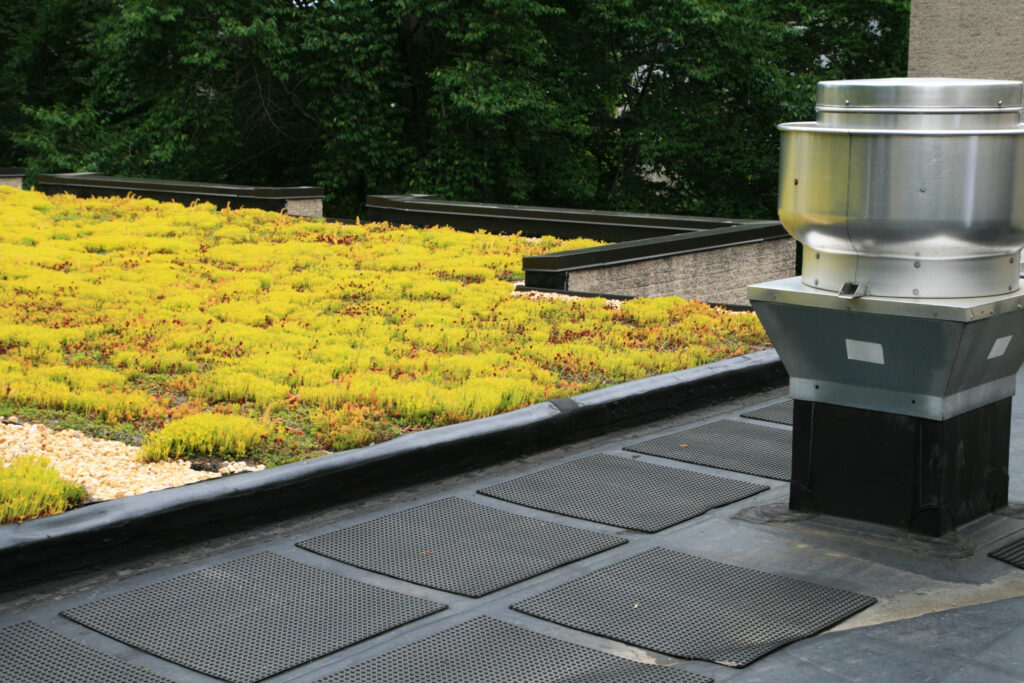
A green system, or a living roof, covers part or all of the roof with plants. Extensive green roofs require as little as three inches of soil and little maintenance. Intensive green roofs allow the variety of plants to expand, but they usually require more than eight inches of soil.
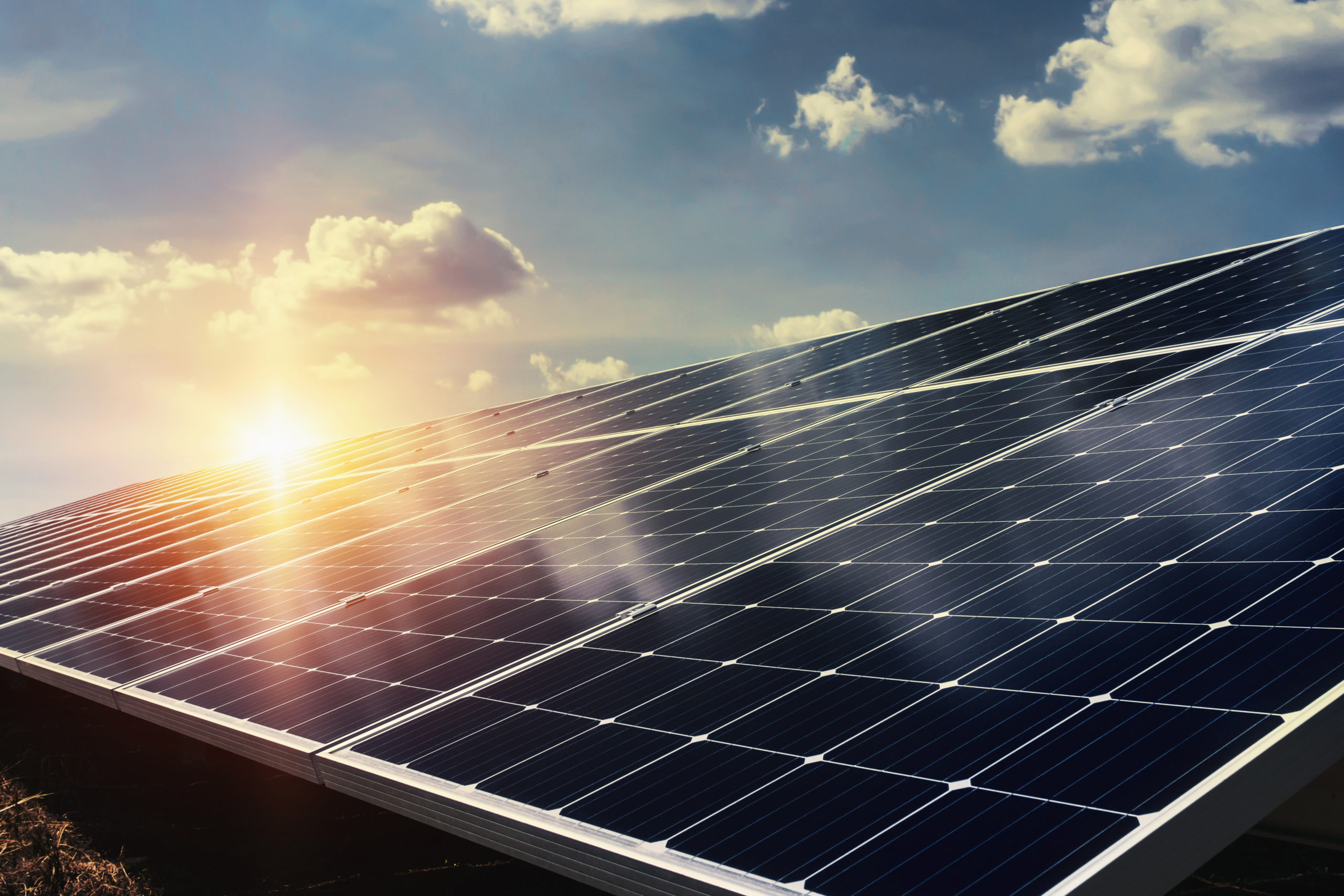
Solar roofing, usually shingles or panels, integrates solar power generation into a building’s existing roofing materials. The primary attraction of solar roofing is that it’s much more energy-efficient and can help property owners reduce their reliance on grid-supplied electricity.
Do you currently have a flat roof or a low-slope roof design? The slope of your existing roof plays a significant role in choosing a material. The slope can range from nearly flat to moderately inclined, and it influences how well the roof sheds water and resists leaks.
If you’re unsure of your roof’s slope, look at the angle and drainage systems. Flat roofs appear nearly horizontal from the ground and typically have a very slight pitch (less than 2 degrees) to allow minimal water runoff, relying on drainage systems like internal drains or scuppers. Comparatively, low-slope roofs have a visible incline (2 to 10 degrees).
The chart below highlights which roofing systems are best for flat and/or low-slope designs.
The total cost of your roofing system includes the initial installation price, material costs, and long-term maintenance. EPDM and TPO generally are better for tighter budgets, while PVC, metal, green, and solar tend to cost more due to installation complexity.
Consider how much ongoing maintenance the roof will need over its lifespan and how much you are willing to spend on maintenance. Typically, EPDM, PVC, and metal have the lowest maintenance requirements.
The lifespan of your commercial roof will largely depend on the materials used, the quality of installation, and how well it is maintained. You can find more information about different roofing lifespans here, but here is a general overview:
What type of environment is your property in? Your climate will influence the performance of your roof. Each type of roofing system handles environmental conditions differently, so it’s important to choose materials and designs that can withstand your unique environmental challenges.
| Roofing Material | Roof Type | Initial Cost | Maintenance Needs | Lifespan | Environment |
| EPDM | Flat and low-slope roofs | $-$$ | Low | 20-30 years | Works well in a variety of climates—great for colder environments due to its flexibility and resistance to freezing temperatures |
| PVC | Flat and low-slope roofs | $$-$$$ | Low | 20-30 years | Good for areas with varying weather conditions and areas that may be subjected to chemical exposure |
| Modified Bitumen | Low-slope roofs | $$ | Medium | 20-30 years | Effective in both warm and cold climates, but is particularly good for roofs that may experience high traffic |
| TPO | Flat and low-slope roofs | $-$$ | Low to Medium | 15-20 years | Can be particularly good in hot climates, as long as the property is not in a location where the roof would be receiving a lot of direct sunlight every day |
| BUR | Flat roofs | $$ | Medium to High | 20-30 years | Works well in most climates, but best in temperature conditions due to its multiple layers/good insulation |
| Metal | Low-slope or steep roofs | $$-$$$ | Low | 40-60 years | Excellent for areas prone to extreme weather, like heavy snow or high winds, or in areas with high wildfire risks |
| Green | Flat roofs | $$$ | Medium to High | 30-50 years | Urban environments |
| Solar | All | $$$ | Low to Medium | 25-30 years | Most effective in sunny climates |
Choosing a commercial roofing system is too important to leave to chance or guesswork. If you’re still not sure which roofing system is best for your property, contact Summit Commercial Roofing. Founded over 50 years ago, we’re a commercial-only roofing contractor serving businesses throughout Southeast Michigan. We can install, replace, and repair metal, PVC, and EPDM roofing systems.
Please fill out our online form today to get started with a roof assessment.
Is your property in need of roofing service? Contact Summit Commercial Roofing today at 734-422-8280 or fill out our online form for more information and to schedule a free, no-hassle roof inspection and service estimate. As Southeast Michigan's leader in commercial roofing services, we're standing by to deliver fast, reliable and high-quality roofing service.